Validated > 99% Lab-grade Peptides
Recognizing Peptide Pureness: What 99%+ Truly Indicates
- All peptides offered by Pinnacle Laboratory are desired exclusively for in-vitro laboratory study use and are not for human intake.
- We offer all the technical details and directions for each and every step of peptide synthesis and evaluation.
- It does not transform a research compound right into a clinical item, and it does not change experimental recognition in the scientist's own system.
- This figure represents just how much of the sample is made up of the desired peptide series.
- Our goal is to support scientists with high-purity, verified substances that fulfill the demands of contemporary clinical research study-- nothing even more, nothing less.
Apex Research Laboratory Content Team
HPLC can support claims concerning chromatographic purity, pollutant peak concern, and deterioration trends when the approach is suitable and the chromatogram is readily available. If a peptide is re-tested after storage space tension, HPLC can reveal whether brand-new contamination heights have appeared or whether the major peak area has actually decreased. This links straight with handling subjects such as peptide storage space and peptide reconstitution. For examples of product-level context, compare the anticipated masses for Retatrutide, BPC-157, and Semaglutide.

High-performance Fluid Chromatography
Picking the ideal exterior laboratory for peptide screening involves assessing numerous aspects. A relied on laboratory should have demonstrable experience in peptide chemistry analysis-- for example, PhD-level drug stores or biochemists on personnel who understand peptides' synthesis and destruction paths. Certification by relevant bodies (such as ISO/IEC or qualification for GLP/GMP compliance) is a solid indicator of high quality.Together, these logical techniques supply the evidence base for ending that a peptide set is suitable for research study use. Another associated term you could run into is net peptide material, which is various from purity. Web peptide material refers to just how much real peptide (by weight) remains in the vial relative to non-peptide elements like water, counter-ions (e.g., TFA), or barrier salts.The table listed below highlights the distinction between essential chemical and physical evaluation outcomes. Identity confirmation is reported in such a way that assists groups comprehend whether a clean mass suit really sustains the more comprehensive quality conclusion. HPLC can disclose brand-new pollutant optimals, boosted shoulder peaks, or a reduced main-peak area after storage space or managing tension.
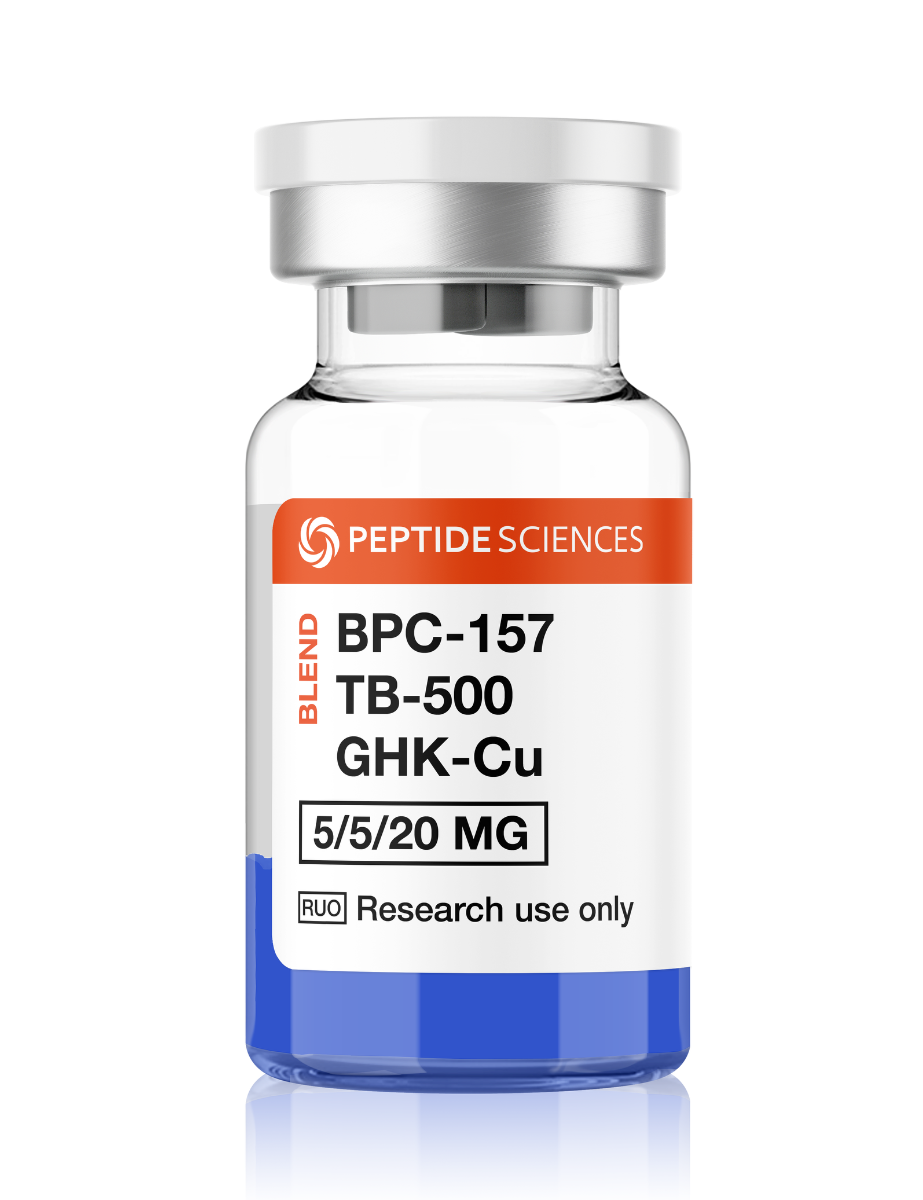
Gauging peptide pureness is usually performed with logical high-performance fluid chromatography (HPLC), commonly paired with mass spectrometry (MS) for identification verification. These logical methods are conventional in peptide quality control and you will certainly usually get HPLC and MS data with a study peptide order. The primary analytical approaches for peptides include fluid chromatography (LC), normally HPLC, integrated with Origin Sequence research store mass spectrometry (MS) for precise molecular weight determination and sequence validation. In addition to HPLC and MS, specialized labs might utilize orthogonal techniques for added accuracy. For instance, capillary electrophoresis can be made use of to divide very hydrophilic peptides or to confirm outcomes, and MALDI-TOF mass spectrometry can aid in mapping bigger or changed peptides. Several peptide producers or distributors will certainly supply a COA (Certification of Analysis), for instance our bpc 157 tb 500 blend, that includes the pureness percent by HPLC and identification verification by MS for every batch. Top-tier laboratories usually report peptide purity well above 95%, regularly ≥ 98-99%, by using modern HPLC and MS evaluations. They also evaluate both resources and ended up peptide vials, which aids catch any contaminations, destruction products, or formula inconsistencies.